
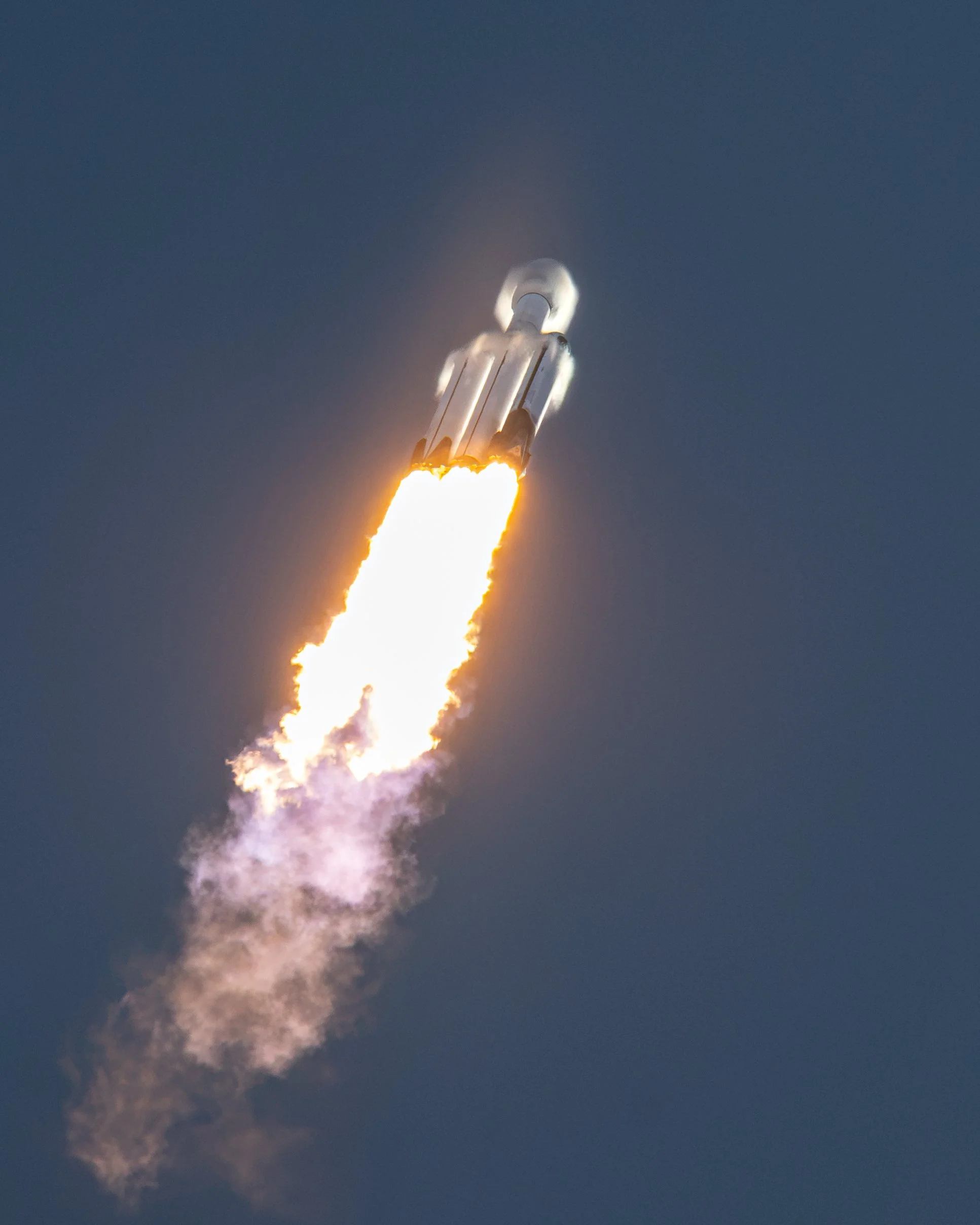
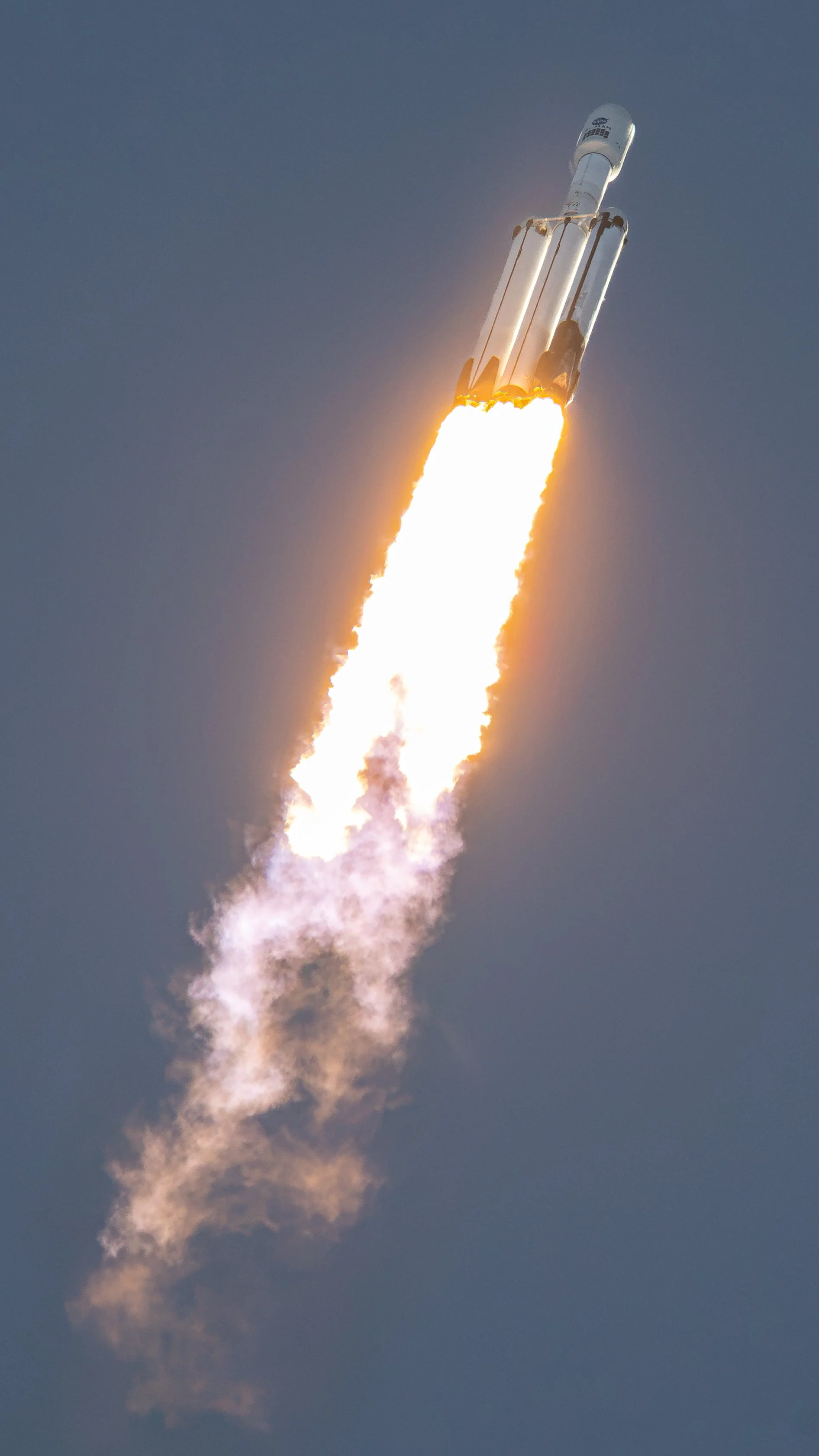
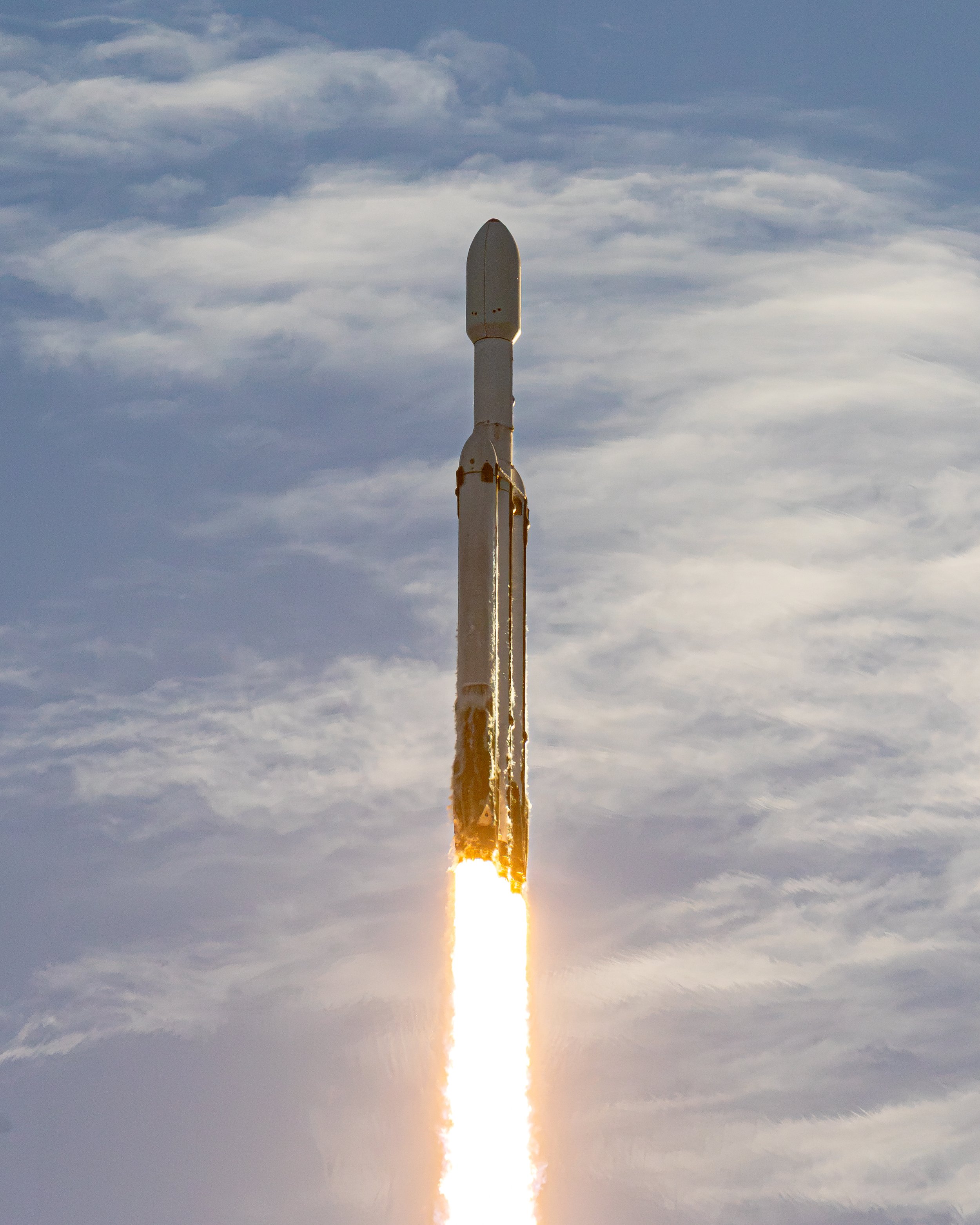
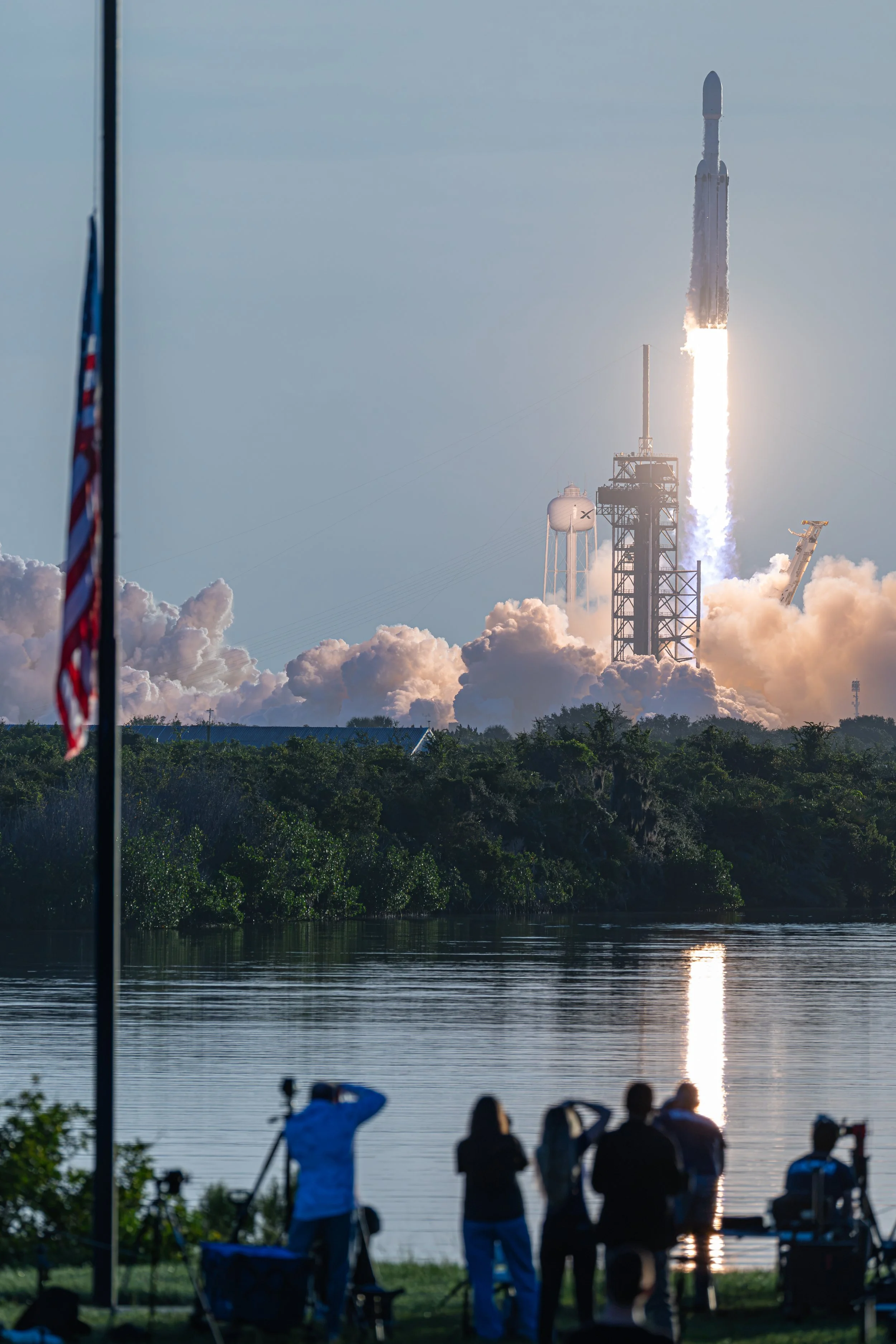
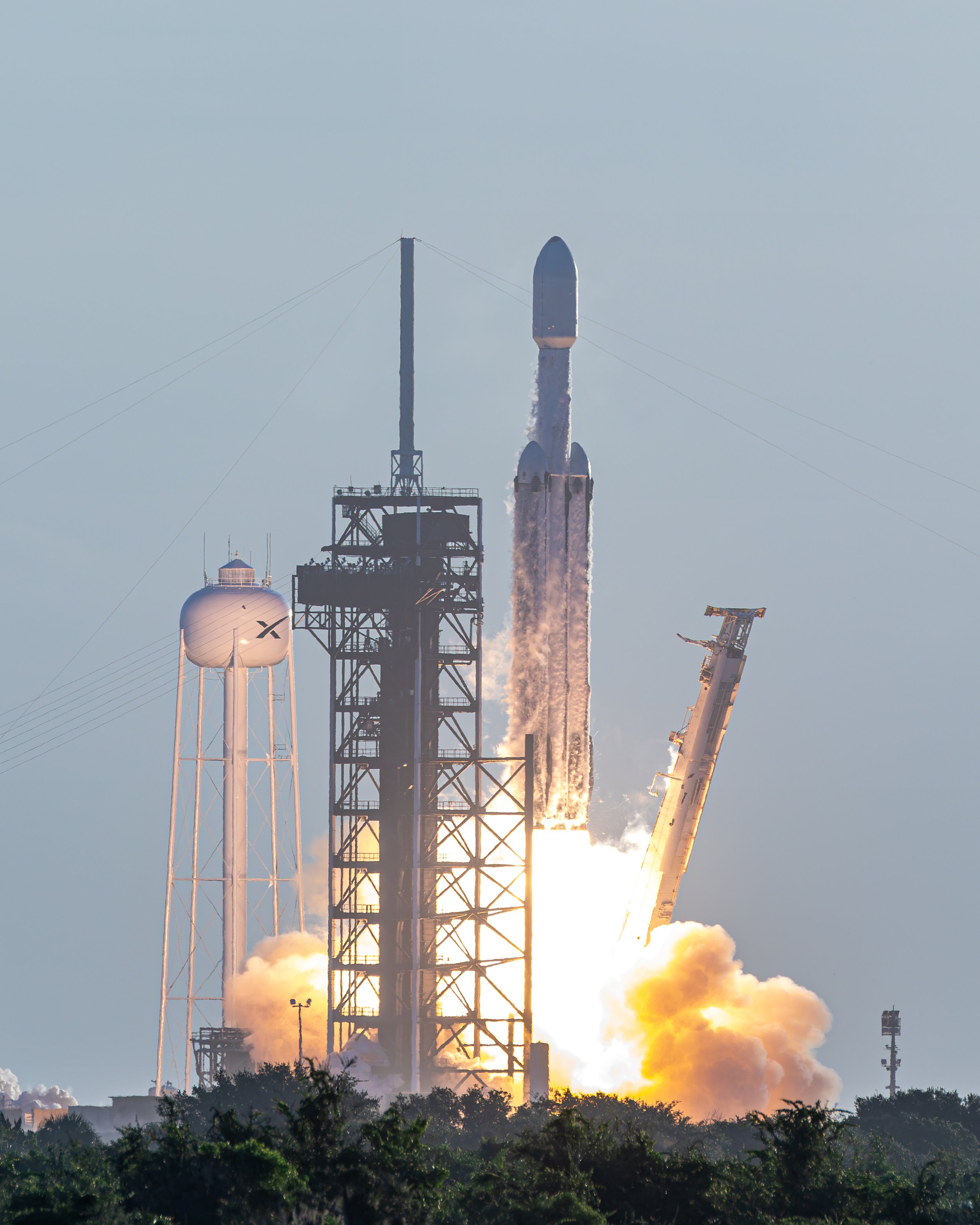
“The Golden Age of Discovery Has Begun 🇺🇸” said NASA Administrator Jared Isaacman on X shortly after 7:25 a.m. (ET) Sunday, when the Nancy Grace Roman Space Telescope went to space atop a SpaceX Falcon Heavy rocket. Some views from the NASA Press Site:
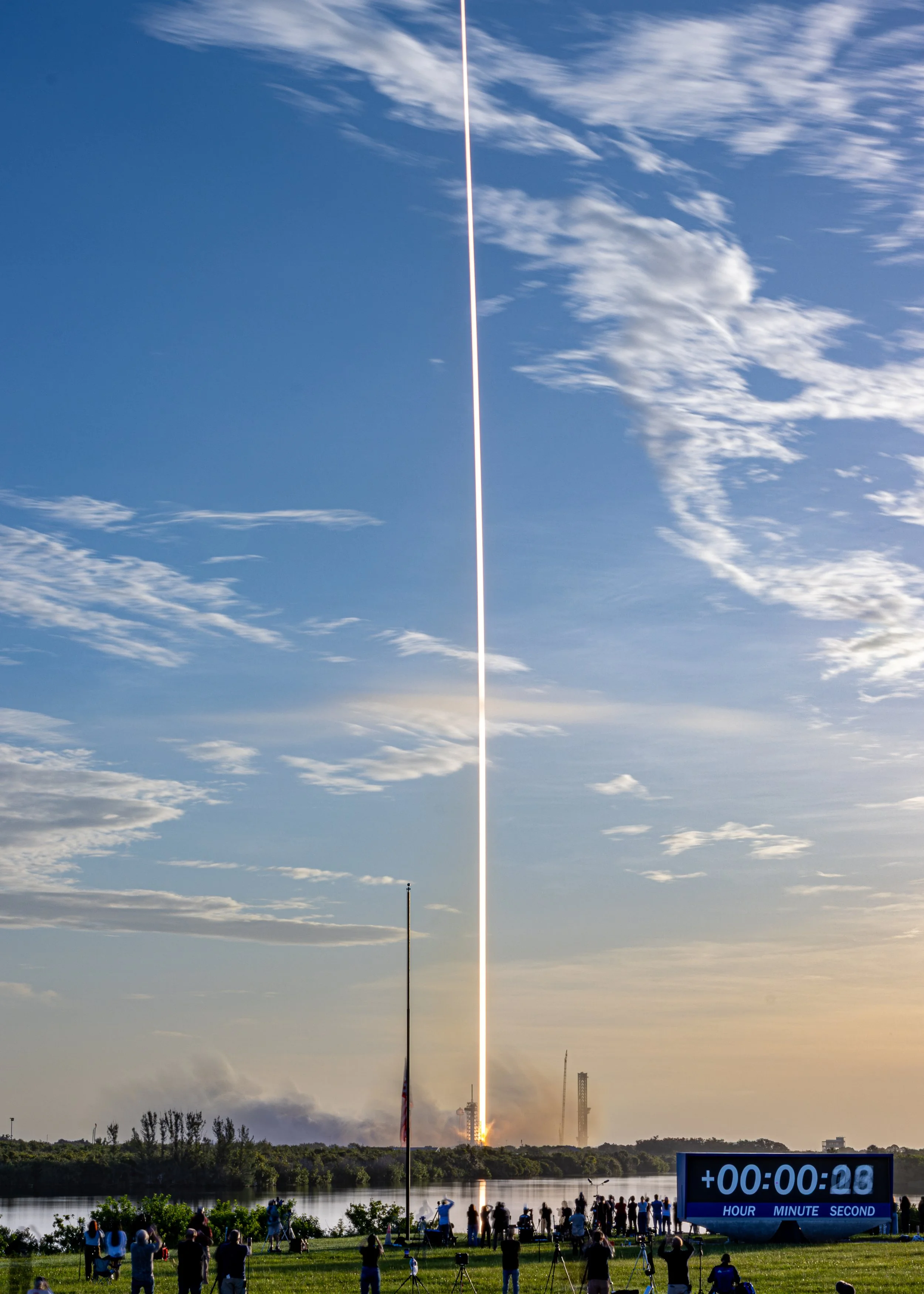
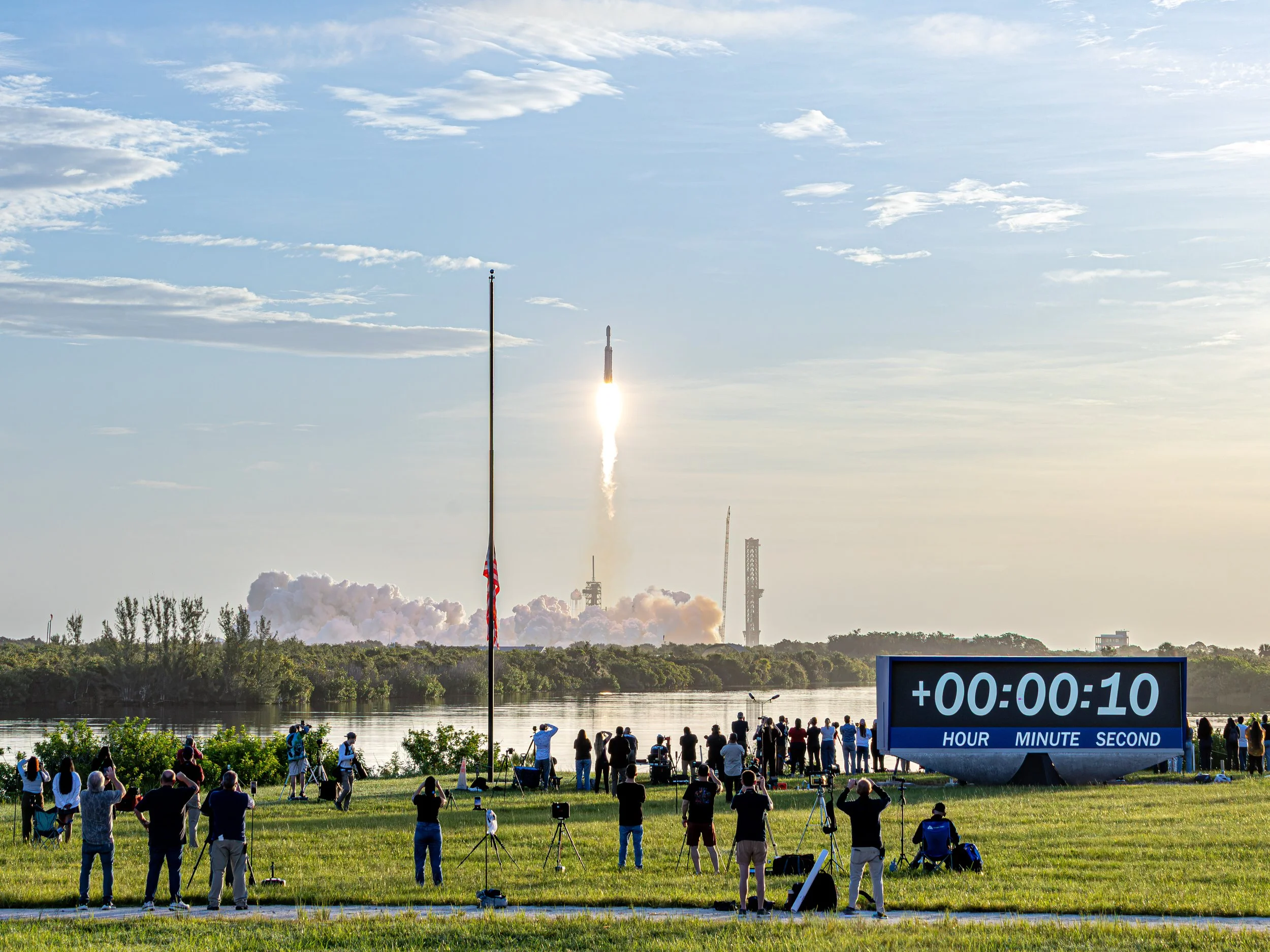
At 7:25 a.m. (ET) Sunday, the Nancy Grace Roman Space Telescope went to space atop a SpaceX Falcon Heavy rocket. Some views from the NASA Press Site, where the flag is at half staff for Dolly Parton.
At 7:25 a.m. (ET) Sunday, the Nancy Grace Roman Space Telescope went to space atop a SpaceX Falcon Heavy rocket. Some views from the NASA Press Site, where the flag is at half staff for Dolly Parton.
“The Golden Age of Discovery Has Begun 🇺🇸” said NASA Administrator Jared Isaacman on X shortly after 7:25 a.m. (ET) Sunday, when the Nancy Grace Roman Space Telescope went to space atop a SpaceX Falcon Heavy rocket. Some views from the NASA Press Site:
“The Golden Age of Discovery Has Begun 🇺🇸” said NASA Administrator Jared Isaacman on X shortly after 7:25 a.m. (ET) Sunday, when the Nancy Grace Roman Space Telescope went to space atop a SpaceX Falcon Heavy rocket. Some views from the NASA Press Site:
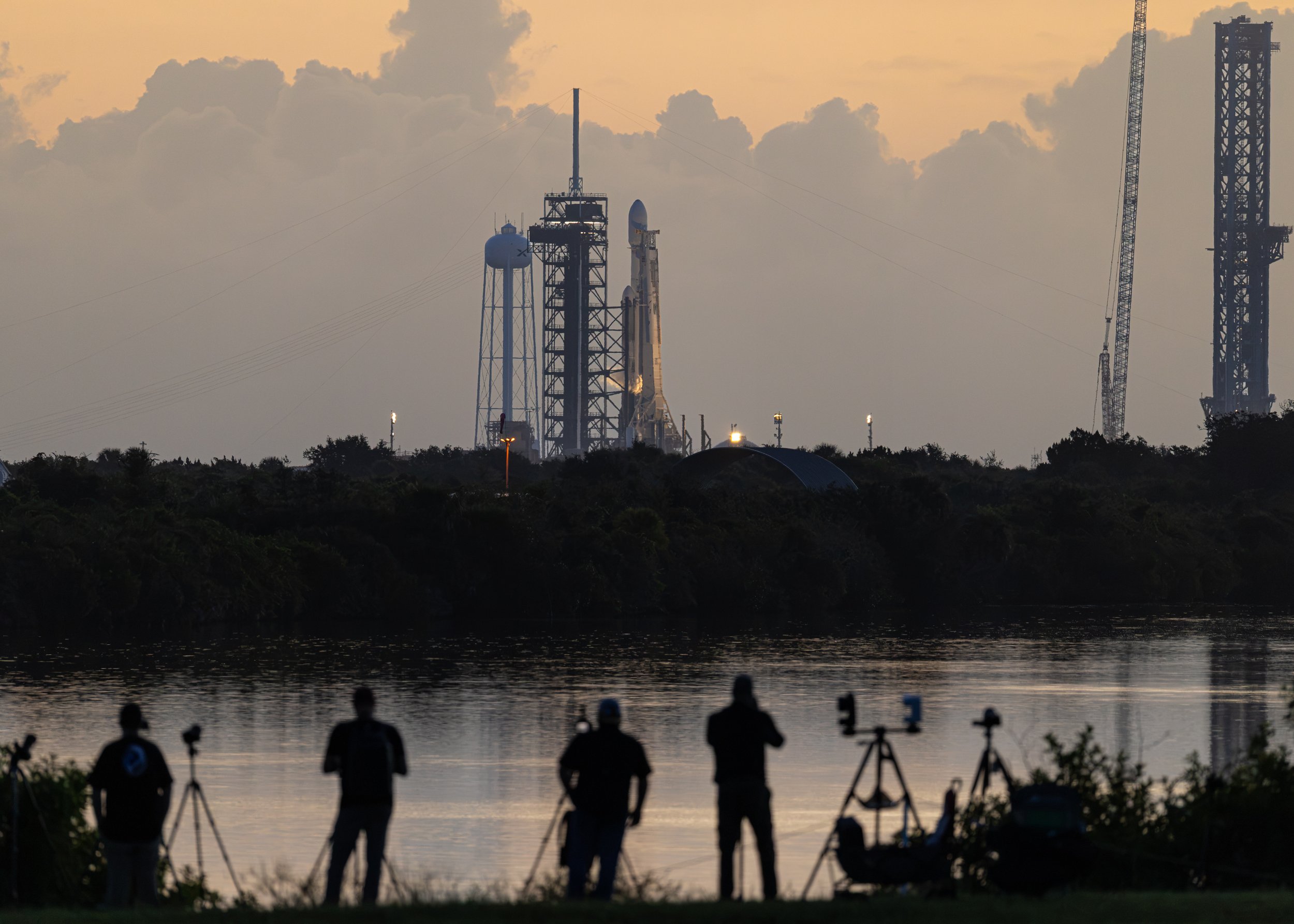
Sunday morning view of LC-39A and the SpaceX Falcon Heavy / Nancy Grace Roman Space Telescope ~40-mins before launch.
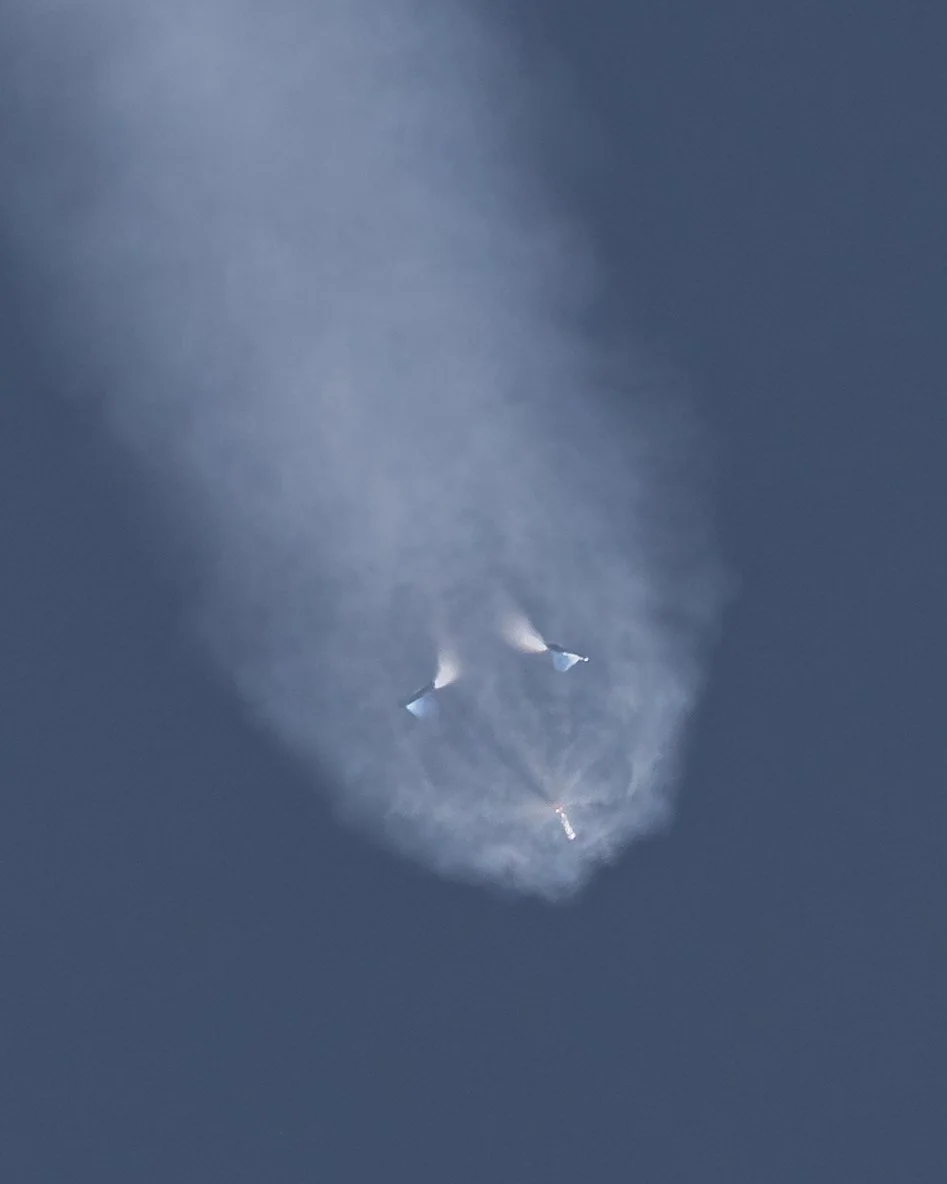
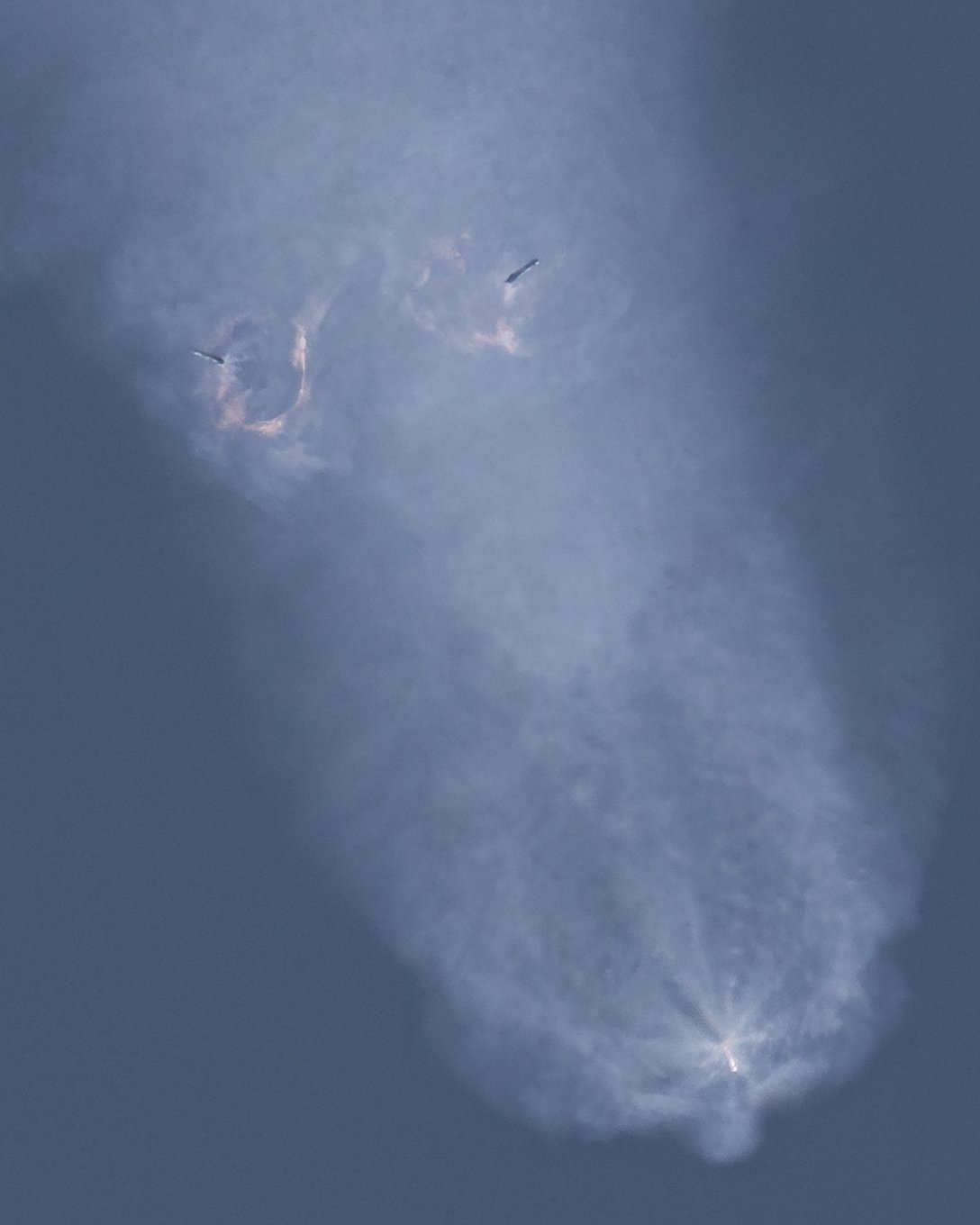
From the Sunday morning SpaceX Falcon Heavy Nancy Grace Roman launch, shots of the side boosters separating from the center core and orienting themselves to return to Cape Canaveral. The second frame is 10-seconds later; the action around the side boosters is more colorful, almost a daytime space nebula.
“The Golden Age of Discovery Has Begun 🇺🇸” said NASA Administrator Jared Isaacman on X shortly after 7:25 a.m. (ET) Sunday, when the Nancy Grace Roman Space Telescope went to space atop a SpaceX Falcon Heavy rocket. Some views from the NASA Press Site:
From the Sunday morning SpaceX Falcon Heavy Nancy Grace Roman launch, shots of the side boosters separating from the center core and orienting themselves to return to Cape Canaveral. The second frame is 10-seconds later; the action around the side boosters is more colorful, almost a daytime space nebula.
Nancy Grace Roman Telescope redux:On Saturday night, the launch forecast still showed 50/50 odds of launch-acceptable weather. The best cloud forecast I could find also showed 50% cloud cover, and most forecasts called for rain in the vicinity Sunday morning. Without cameras at the pad (as a fallback, of sorts), I chose the Press Site to shoot from because I figured it would give me the best chance of seeing the rocket.As you can see, the weather was not an issue at all, so much so that there was zero breeze to unfurl the flag for the standard-issue rocket + flag shot.Missing the offsite solar transit definitely triggered my FOMO (and there are so many excellent shots captured by the most talented photographers anywhere). Still, the Press Site has its own magic, especially for a big science mission like this one. The Nancy Grace Roman Space Telescope will almost certainly be spoken about with the same reverence reserved for Hubble and Webb.This little postcard from the morning has a lot in it: the flag at half-staff for Dolly Parton, the countdown clock, the NASA Socialers, and the rocket itself. I forgot to shoot video, but the sound was incredible: the launch and the sonic booms from the boosters landing, reverberating off the giant VAB looming nearby.A word about the mission itself: Roman has a field of view about 100x larger than Hubble at comparable resolution, letting it survey huge swaths of sky in a fraction of the time. It'll track dark energy's effect on cosmic expansion over billions of years and use microlensing to find thousands of exoplanets, including free-floating ones with no host star. It's one of the most capable wide-field observatories ever built. I composed that in response to someone asking, "How does this help Humans?"The Facebook algorithm has been pushing an alarming number of skeptics to my content, so I initially thought that question might be veering toward churlishness (happily, it wasn't). That, along with some other comments, go